Turn Your Vacant Lot into a Buildable Home Opportunity
We help Northwest Indiana landowners understand what their lot may realistically support — whether that means a single-family home, modular home, ADU, duplex, or small residential infill project.
- ✔ Quick zoning, utility, access, and build-fit review
- ✔ Explore a cash sale, partnership, or development path
- ✔ Review options for single-family, modular, ADU, duplex, or small infill use
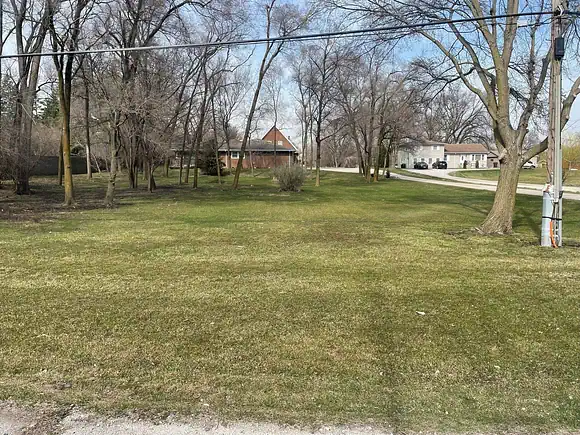
Get a Free Lot Build-Fit Review
Enter your lot details below. I’ll review the property and help you understand what type of home or residential use may realistically fit.
We’ll look at zoning, utilities, access, lot size, setbacks, soil concerns, and possible options such as a single-family home, modular home, ADU, duplex, or small infill project.
Why Landowners Choose PennyReady Ventures
Vacant land is not one-size-fits-all. Some lots may work for a single-family home, modular home, ADU, duplex, or small infill project — while others may have zoning, utility, soil, access, or setback issues that need to be understood first.
Home-Focused Land Review
We look beyond one build type. Your lot may be better suited for a single-family home, modular home, ADU, duplex, or another small residential use depending on the property and local rules.
Practical Build-Fit Guidance
We review the details that matter before money gets wasted — zoning, lot size, utilities, road access, setbacks, drainage, soil concerns, and overall development feasibility.
Clear Options for Landowners
Depending on the lot, we may discuss a cash sale, partnership structure, modular build path, or other residential development option. If the property is not a good fit, we’ll say so directly.
What Your Lot Could Support
Every vacant lot has its own limits and opportunities. The right answer may be a single-family home, modular home, ADU, duplex, or small infill project — but that depends on zoning, lot size, utilities, access, setbacks, soil conditions, and market demand.

We Look for the Highest Realistic Use — Not Just One Build Type
A lot can look simple from the street, but the real value is determined by what can legally and practically be built. Before you sell, clear, survey, or start chasing permits, it helps to know what kind of home or residential use may actually fit.
- ✔ Single-family homes for traditional residential lots
- ✔ Modular homes where speed, design, and cost clarity may help
- ✔ ADUs or small secondary homes where local rules allow
- ✔ Duplexes or two-family homes when zoning and lot dimensions support them
- ✔ Small infill projects for select parcels, corner lots, or multiple-lot opportunities
PennyReady Ventures reviews the lot first, then the build path. If the property has potential, we can discuss a cash sale, partnership structure, modular build option, or another residential development strategy.
Single-Family Homes
Often the cleanest path for standard residential lots with the right frontage, utilities, access, and neighborhood demand.
Modular Homes
A strong option for some lots when design, speed, and predictable planning matter. Modular is one tool, not the only answer.
ADUs & Small Homes
Some properties may support a small secondary home, family-use housing, guest unit, or rental option depending on local rules.
Duplexes & Infill
Where zoning and dimensions allow, two-family or small infill housing can create stronger use and long-term value.
Is Your Lot Buildable?
A vacant lot can look simple from the street, but the real value depends on what can actually be built. We review the practical details that determine whether your land may support a single-family home, modular home, ADU, duplex, or small residential infill project.
Lot Size & Shape
Width, depth, frontage, setbacks, corner access, and usable build area all matter. A lot may look large enough but still have layout limitations.
Zoning & Allowed Use
We review whether the property appears to support residential use such as single-family, modular, ADU, duplex, or other small housing options.
Utilities & Access
Sewer, water, electric, road frontage, driveway placement, alley access, and nearby utility connections can dramatically affect build cost and feasibility.
Soil & Drainage
Soil conditions, drainage, wetlands, flood concerns, grading, and septic suitability can make or break a project before construction ever starts.
Clearing & Site Conditions
Heavy vegetation, trees, debris, slopes, access issues, and site prep needs can turn a cheap-looking lot into an expensive project.
Market Fit
The best use depends on the surrounding neighborhood, buyer demand, rental demand, nearby values, and what type of home makes sense for the area.

About John Schmoeger
Local Realtor®, Land Feasibility Advisor & Residential Development Specialist
John Schmoeger helps Northwest Indiana landowners understand what their vacant property may realistically support before they sell, clear, survey, or try to build. His work combines real estate market knowledge, land feasibility review, modular home resources, builder relationships, and practical residential development strategy.
Every lot is different. Some properties may be best suited for a single-family home. Others may support a modular home, ADU, duplex, or small infill project depending on zoning, utilities, access, soil conditions, setbacks, lot dimensions, and local market demand.
Through PennyReady Ventures, John works with landowners to provide clear, no-pressure guidance. Depending on the property, that may include a cash sale, partnership structure, modular build path, or another residential development option. If the lot is not a good fit, he will tell you directly.
Zoning and Local Rules Matter Before You Build
The same vacant lot can have very different possibilities depending on the town, zoning district, lot dimensions, utilities, setbacks, and local review process. We look at the rules first so you are not guessing what kind of home or residential use may actually fit.
Allowed Residential Use
We review whether the property appears to support single-family housing, modular construction, ADUs, duplexes, or other small residential uses based on local zoning.
Setbacks and Buildable Area
Front, side, and rear setbacks can shrink the usable building envelope. A lot may look large enough but still have limited room for the right home design.
Lot Width, Depth, and Frontage
Width, depth, road frontage, corner access, and parcel shape all affect what can be built and how practical the site is for a home, garage, driveway, or utilities.
Utilities and Access
Sewer, water, electric, road access, driveway placement, and nearby utility connections can change the cost and feasibility of a project quickly.
ADU and Two-Family Rules
Some areas may allow ADUs, small secondary homes, duplexes, or two-family uses, while others restrict them or require additional review.
Municipality-by-Municipality Review
Portage, Valparaiso, Chesterton, Hobart, Gary, Merrillville, Crown Point, and other NWI communities each have different rules, processes, and practical limitations.
How the Lot Review Works
The goal is simple: help you understand what your vacant lot may realistically support before you sell, clear, survey, or spend money chasing the wrong build path.
Submit Your Lot Details
Send the property address, parcel number, lot size if known, and anything you already know about the land. You do not need to have everything figured out.
Initial Property Review
We look at the basic property details, location, surrounding neighborhood, visible access, parcel layout, and whether the lot appears worth a deeper review.
Zoning & Build-Fit Check
We review zoning, allowed residential uses, setbacks, utilities, road access, lot dimensions, and possible red flags that could affect buildability.
Home Type Options
Based on the lot, we consider whether it may fit a single-family home, modular home, ADU, duplex, or small residential infill project.
Sale or Partnership Path
If the property has potential, we may discuss a cash offer, partnership structure, modular build path, or another development option that fits the situation.
Next-Step Due Diligence
If it makes sense to move forward, the next steps may include soil review, survey, clearing, utility confirmation, design work, permitting, or offer structure.
Why the Right Build-Fit Review Matters
The best use of a vacant lot is not always obvious. One property may be ideal for a single-family home, another may work better for a modular home, ADU, duplex, or small infill project. The key is understanding the lot before money is spent.
The Right Use Can Create More Value
A lot’s value depends on what can realistically be built. Matching the property to the right home type can lead to a better sale, stronger partnership structure, or smarter development path.
Not Every Lot Fits the Same Plan
Some lots are best for traditional single-family homes. Others may support modular construction, ADUs, duplexes, or small residential infill depending on zoning, dimensions, utilities, and access.
Small Issues Can Become Expensive Fast
Soil problems, missing utilities, drainage issues, narrow frontage, setback limits, clearing costs, or poor access can quickly change whether a project makes financial sense.
Home Type Should Match the Neighborhood
The surrounding area matters. Buyer demand, rental demand, nearby values, street character, and local development patterns all help determine what kind of home belongs on the lot.
More Than One Path May Be Possible
Depending on the property, the best path may be a cash sale, partnership, modular build strategy, land-and-home package, or another residential development option.
Better Information Leads to Better Decisions
A build-fit review helps you avoid guessing. Before you sell, clear, survey, or pursue permits, you get a practical view of what the lot may actually support.
Frequently Asked Questions
Straightforward answers for Northwest Indiana landowners who want to understand what their vacant lot may realistically support before selling, clearing, surveying, or trying to build.
We review vacant residential lots, infill parcels, oversized yards, small acreage, and select properties that may support a single-family home, modular home, ADU, duplex, or small residential project.
No. Duplexes can be a strong option when the zoning, lot size, utilities, and market support them, but they are only one possible use. We also review lots for single-family homes, modular homes, ADUs, and other small residential uses.
In many cases, we can complete an initial review within 24–48 hours after receiving the property address or parcel number. More complex lots may require additional zoning, utility, soil, survey, or municipal follow-up.
We look at zoning, allowed residential use, lot size, frontage, setbacks, utilities, road access, drainage concerns, soil red flags, clearing needs, surrounding values, and whether the lot appears practical for a home or small residential project.
Yes. For qualifying properties, PennyReady Ventures may make a fair cash offer. This can be a simple option for owners who want to sell without guessing about buildability or spending money on due diligence themselves.
Sometimes. If the lot has strong potential, we may discuss a partnership structure, modular build path, land-and-home package, or other development option. The right structure depends on the property, numbers, timeline, and risk involved.
We’ll tell you directly. Some lots have zoning, soil, drainage, access, utility, size, or cost issues that make building difficult or unrealistic. Finding that out early can save time and money.
No. The initial lot review is free, and there is no obligation to sell, partner, or move forward. The goal is to give you a clearer understanding of what your property may realistically support.
Ready to See What Your Lot Can Become?
Get a free, no-obligation review of your Northwest Indiana property. We’ll look at zoning, utilities, access, lot size, setbacks, soil concerns, and possible residential uses before you spend money guessing.